

Foundational Documents
Wills — Your Wishes, Put In Writing
A will is the document most people picture when they think of estate planning — and for good reason. It is where you say who inherits what you own, who carries that out, and who looks after the people who depend on you. We help you say it clearly, and in a way the law where you live will recognize.
Who It May Fit
Who A Will May Fit
- Any adult who wants to choose who inherits their property rather than leaving it to state default rules
- Parents nominating a guardian for minor children for the court to consider, and describing how they should be raised
- People whose estate will pass through probate and who want to name the person in charge of that process
- Anyone starting an estate plan from scratch who wants the foundation first
Preparation Checklist
Before Your First Conversation About A Will
- A rough list of what you own and how each asset is titled
- Who you would want to inherit, and in what shares
- Who you trust to serve as personal representative, and a backup
- For parents: who you would nominate as guardian for the court to consider
- Whether anything should be held for someone rather than given outright
- Any existing will or prior planning documents you have done

Scope & Considerations
What A Will Does — And Does Not — Do
A will directs who receives the property that passes through your probate estate — generally things titled in your name alone without a beneficiary designation. It also names a personal representative (sometimes called an executor) to handle that process, and for parents, nominates a guardian for minor children for the court to consider under applicable law. The court, not the will, makes the appointment; nothing here guarantees a particular outcome.
A will does not control everything. Property held jointly with a right of survivorship, accounts with a payable-on-death or transfer-on-death beneficiary, life insurance, and retirement accounts pass by their own beneficiary designations — not by your will. A will also does not, by itself, avoid probate; it is the document that guides probate.
Practical Steps
Putting A Will Together, Step By Step
Inventory What You Own And How
Name Who Inherits And Who Is In Charge
Draft, Review, And Sign Correctly
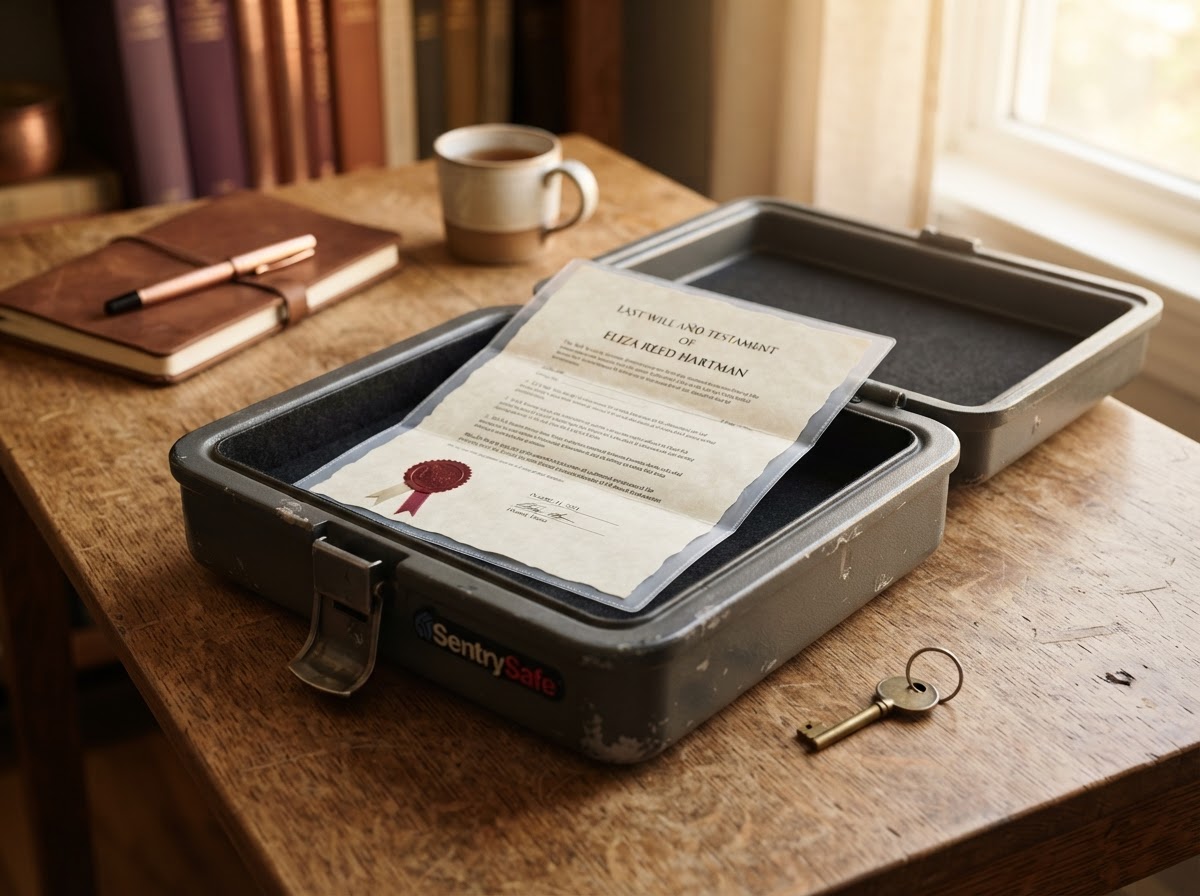
Store It Where It Can Be Found
Practical Guidance
Keeping Your Will Useful
A signed will only helps if it can be found and still fits your life. Keeping the original safe but locatable, telling a trusted person where it is, and revisiting it after family, property, or state changes are what keep it useful.
We help you store the executed original sensibly, share its location with the right person, and set a rhythm for review — so the document you signed still says what you mean when it matters.
Store Clearly
Share The Location
Review After Changes
Questions & Answers
Common Questions About Wills
Keep Going
Related Ways We Help
A complete plan rarely stops at one document. These usually go together.
Trusts & Administration
Revocable Living Trusts
A flexible planning vehicle you can revise as life changes, designed to keep your affairs organized and private.
Learn MoreFinancial Authority
Powers of Attorney
Name trusted decision-makers for your financial life so bills, accounts, and responsibilities keep moving if you cannot act.
Learn MoreMedical Wishes
Healthcare Directives
Put your treatment preferences and care advocates in writing, separate from financial matters, so your voice is heard.
Learn MoreA Thoughtful Next Step
Ready To Talk Through Wills?
Start with a conversation about your priorities and the questions you want to clarify. We will help you see how this fits the rest of your plan — and what can wait.
Educational, not individualized advice